POLLENATOR RESERVE
Watch the short video on youtube linked here:
DESTROYERS OF THE EARTH:
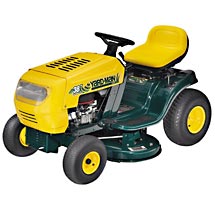
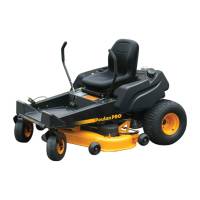
The lawnmower may be the greatest single threat to life on Earth; a weapon of mass destruction.
Combined with pesticides/chemicals, and genetically modified plants, we're on a path of destruction.
Bees, wasps, hornets, butterflies, gnats, moths, lightning bugs, dragonflies, grasshoppers, crickets, lady bugs, spiders, and many other insects can control one another's populations in a field of wild grasses and "weeds". Their humble presence, and the wild grasses and ground cover plants they live within, could restore the Earth's temperature, water cycles, and weather patterns. Our farms need at least 10% of their area reserved for pollenators, but this is not currently given much thought. Without pollenators, we would all starve to death. Plants thrive on carbon dioxide, and use it to produce wood (from the carbon) and give off the extra oxygen molecule for us to breathe. Without carbon dioxide, we would all suffocate due to a lack of oxygen production from photosynthesis. The more green plant life, the better.
Lawn mowing, both private and industrial, has been progressively destroying the grasses and forests, often adding harmful chemicals to the environment, poisoning streams and rivers, and wiping-out the habitats of the pollenating insects. Their emissions directly contribute to atmospheric pollution, and they are noisy. You can hear them busily destroying the surface of the Earth on most every sunny day, breaking the peace and tranquility of every weekend afternoon. This activity seems to have begun with the "fine-trimmed lawns" seen at various garden estates in Europe, and became fashionable throughout the world as mechanical equipment became mass-produced during the 1950's. This habitat-destroying activity has been going on for just over 50 years, and now we are reaping the results of their use in a variety of ways. Areas taken over by golf courses, campuses, and large estates that may otherwise have enabled tall grasses and trees to flourish have become sterile, dead-zones, strangling the Earth. Just stop cutting the grasses, and the Earth and its atmosphere will heal.
Tall grasses by themselves allow for much greater water control, holding water in the soil, and absorbing large amounts of solar radiation. Short, stubby grass (that "looks" appealing to our eyes) is often chemically poisoned to eliminate "pests" - but they are not "pests", they are pollenators. Those who are old enough to remember realize that since the 1950's the lightning bug population has virtually disappeared in many urban areas.
Millions of square miles of the Earth's surface is under attack by human activity.
The lawnmower may be the greatest single threat to life on Earth; a weapon of mass destruction.
If everyone simply stopped cutting grass and spreading chemicals for 10 years, the Earth would recover quickly.
Do your part, limit cutting the grass under your control, and convince others to do the same. Speak to your community leaders and the media about this vital issue. Perhaps sanity will overcome fashion, and the pollenators will return, and the plant life we allow to grow will turn the tide. We are at a tipping-point, and all those with common sense must sound the alarm. The property under your control needs to be declared a "POLLENATOR RESERVE". If enough people get moving quickly on this, we can significantly lessen the damage being done, and the Earth will heal.
ALTERNATIVES TO MOWED GRASS: BERRIES-IVY-EVERGREEN FOLIAGE-DENSE MAT SHRUBS-HERBS-FLOWERS-AND MORE
Horticulture is more than grass and trees. Open spaces, yards, and fields that are currently mowed grass can be planted with a wide variety of lush, beautiful, and maintenance-free ground cover plants without the need for cutting or chemical treatment. The lush ground cover plants also make the Earth cooler, and manufacture OXYGEN, and use up carbon dioxide.
Ground cover plants encourage water retention, and reduce erosion. We also need to encourage insect activity, and not complain when we see them. Killing the plants and insects is destroying the Earth, and us along with it. If we don't want insects to bother us, we can simply screen our observation areas; not kill the plants and insects. People mow grass, and then when it fails to rain for a few weeks, it turns brown and dies. To correct this, people install sprinkler systems and waste precious water -- most of which quickly evaporates anyway. With lush vegetation 12" to 24" high, the ground retains its humidity even when the sun bears down and it rains infrequently.
In contrast, the stubby, 3" grass covering most of the bare ground allows the water in the soil to leave very quickly under the hot sun -- and what of the pollenators?
What about our air? Our "carbon footprint" would be almost insignificant if we all use the square feet of the Earth under our control in the way I've described it here.
If neighborhood associations want everyone's yard to look the same, with short, mowed grass on every square foot of yard available, then they are going to have to change. If every one of us does not make a radical change very soon, a tipping-point will be reached and all of us will become endangered, as the bees and other pollenators have become.
The future is unknown, but we can decide whether or not we as individuals will continue to destroy the Earth.
Environmental
Impact Of Our Lawn Mowing:
Bare Earth Is Causing
Deserts
We're mowing our environment out of existence.
Vegetation cools the soil, cleans the air, and
holds water; otherwise the water runs off and floods occur. Vegetation thrives
on CO2, and uses it to grow and
give us the free oxygen left over
from the photosynthesis process.
Let’s grow
things and stop the madness. Our lawns need to become cultivated living spaces
to organically feed us and the living things around us.
Lawn care businesses could shift their focus toward building
gardens everywhere, and transform our living spaces into paths of life, frog
ponds, trellises of grapes, cucumbers, and cherry tomatoes.
Mowed grass cannot retain water, and the ground
dries up in the sun.
The solution for this water shortage is easily
solved: people install water sprinkling systems with timers to keep their lawns
alive. With all the noise and pollution from mowing our lawns to a nub, fighting
the weed seeds that easily nestle on them, spraying pollenator-killing
insecticides and chemicals, the water and sewer bills, and repairing the frozen
sprinkling systems and other maintenance issues, is it possible we've been
manipulated to think all this effort is the best use of the resources and time
we have at our disposal?
Revelation 11 & YashaYahu (Is.) 24 tell us that
Yahuah will destroy those who are destroying the Earth. We need to keep the
Earth covered with 12" to 24" of lush vegetation, and only mow paths for
walking. Lawns with 2" stubble called grass, treated with pollenator-killing
chemicals, are looked upon as "groomed," but it is bare Earth, and only looks
alive artificially.
Please share this webpage widely:
http://www.fossilizedcustoms.com/pollenator.html
DESIGNATE YOUR PROPERTY AS A POLLENATOR RESERVE
You may order the following bumper sticker by clicking on its picture:
2.5" X 9.25" VINYL
Stick one on your car, boat, truck, gate, fence, door, or any object you can imagine. $1.50 each ~ order by clicking on sticker above! Get a bunch . . .
We are the stewards of the Earth, yet mostly we have been destroying it.
Rev 11:18
“And the nations were enraged, and Your wrath has come, and the time of the dead to be judged, and to give the reward to Your servants the prophets and to the set-apart ones, and to those who fear Your Name, small and great, and to destroy those who destroy the earth.” 
Ordering Lew White's books at Amazon.com
Because the books are shipped to you from your nearest CreateSpace printing facility, the shipping cost for international orders is less!
Order $25 worth and shipping could be free for Amazon Prime members
GET YOUR YAHUSHA ON: